Lampedusa
Lampedusa
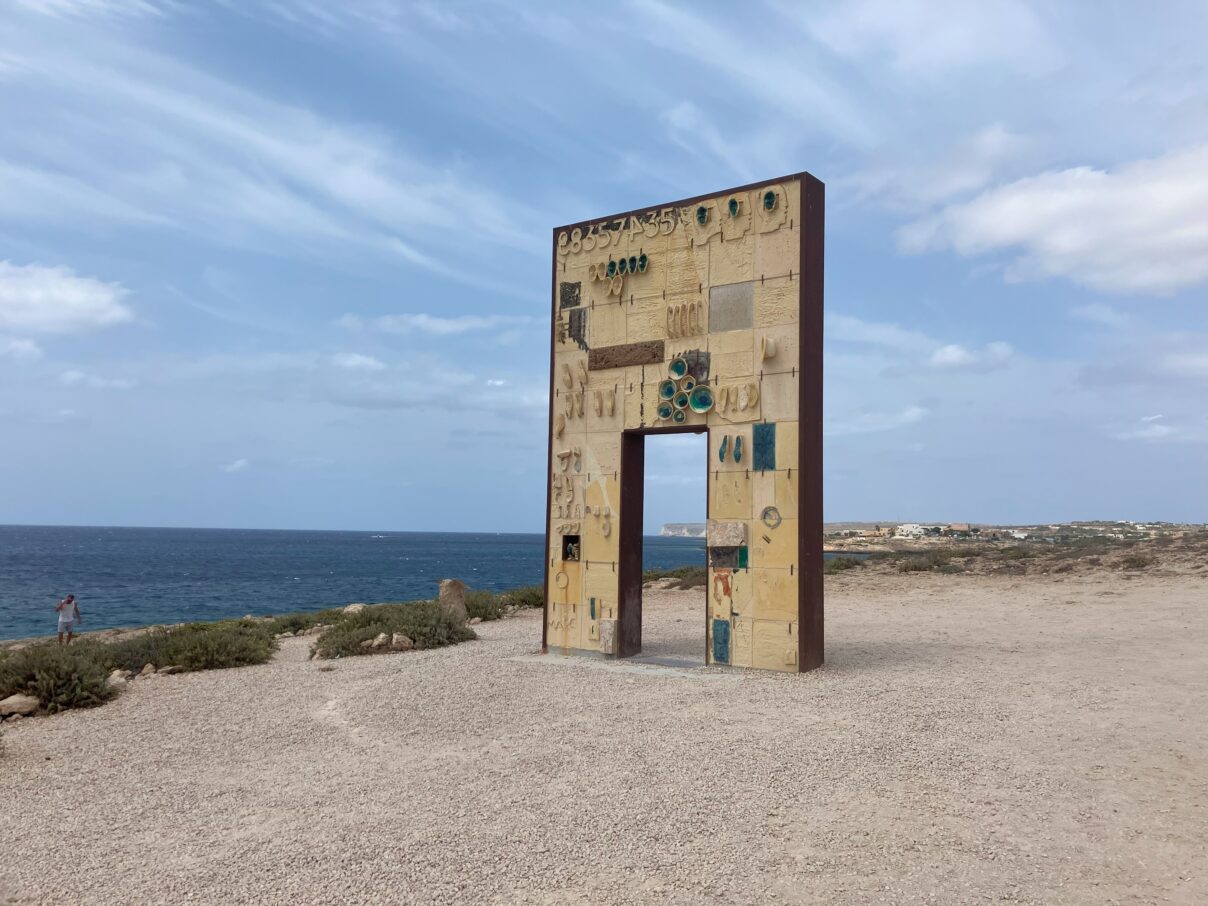
Lampedusa is Italy’s southernmost island in the Mediterranean. It is often the first port of arrival for people who have traversed the Mediterranean from Tunisia and Libya. Lampedusa has become a symbol of migration, referred to as “the door to Europe”. Appropriately named, the Porta d’Europa monument on the clifftop shores of the island underscores this symbolism.
But Lampedusa is dense with similar monuments, commemorating people who have died on Mediterranean journeys. At the same time, the monuments also celebrate the rescue efforts that disembark survivors of these journeys onto the island. Such monuments are found in the town’s squares, in public buildings, in the main church, and a dedicated museums. The shipwreck of 3 October 2013 off the shores of the island that killed 368 people is a major reference point in these commemorations.
The church has played a key role in humanitarian activism over the years. However, solidarity activism on the island spreads well beyond it. Over the last two decades, the island has been hosting search and rescue activists from all around Europe and internationally. A number of organisations have staff based in Lampedusa from across Italy.
Equally, the island also hosts border policing personnel from Italy and via FRONTEX. It also has vocal advocates against migration and against the operation of the small reception centre on the island. Since the COVID19 pandemic and the closure of borders, access to the centre has been restricted and the processing of people’s details before they are moved on to Sicily and the mainland is faster.
Nowadays, migrants initially arrive at the military port and then authorities escort them to a closed hotspot managed by the Italian Red Cross. This means remain invisible to residents and tourists. Local residents and grassroots NGOs advocate for a more humane and dignified reception for migrants, while other islanders feel neglected by the Italian government and campaign to have their own needs met.